Commentary: Seven habits of highly secure digital natives
SINGAPORE: When it comes to cybersecurity, humans are the weakest link. Attackers often leverage on this weakness to proceeds access to sensitive data, carry out scams and perform fraud.
Living in Singapore, with our low crime, constructive security and strong legal system, people are often fooled into thinking the aforementioned of the internet world. Or they prefer the "who would target me?" syndrome. Merely, the connected digital world means anonymous attackers tin can target anyone in the world.
While the recent Singhealth breach made people aware of cybersecurity attacks, most still view cybersecurity as an organisational or state consequence – not an private one.
All the same, cybersecurity is a personal result. The cyber safety of organisations and a nation depends on individuals staying rubber.
Attackers will continue to create new forms of assail, which exploit new vulnerabilities. In the by, we feared the IloveYou virus, Conficker worm and Wannacry ransomware.
Crypto-jacking malware (which is the unauthorised use of someone else's computer to mine cryptocurrency) have made headlines today. At that place volition surely exist new ones next year.
Then what is the best way to stay safe? In today'due south digital era, merely nigh every aspect of our lives – from paying for food, to taking send or connecting with friends – are somehow connected to the digital world.
A personal cyberattack is no longer a minor inconvenience, simply something that could compromise your daily lifestyle. Fortunately, there are habits that you lot can cultivate to protect your digital lifestyle.
READ: Cybersecurity is the adjacent economic battleground, a commentary
READ: The way companies await to fend off cyberattacks needs a rethink, a commentary
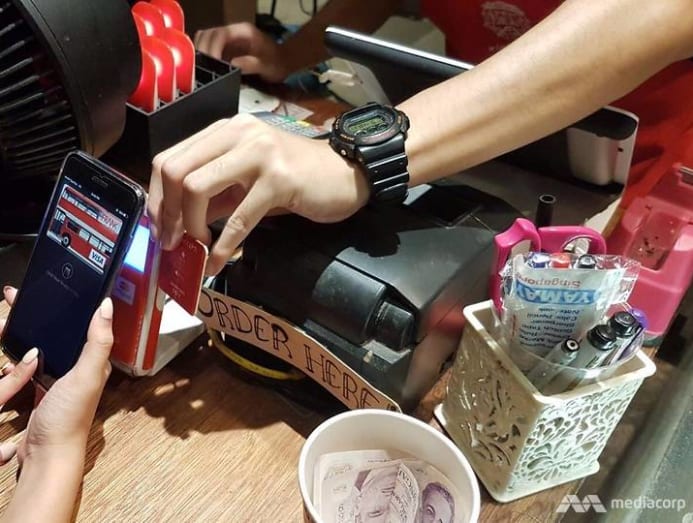
The commencement set of habits is to get your firm in order. Your "house" refers to your computers and mobile devices.
HABIT #1: UPDATE YOUR SYSTEMS IMMEDIATELY
Turn on automatic updates and whenever you come across a popular up, telling you to update, relieve what yous are doing, run the update immediately and go for a pause.
There are no perfect systems and software, equally security researchers and attackers find vulnerabilities on a daily footing. But also many people put off arrangement updates for another time, which exposes themselves to potential attackers.
READ: What those 'updates to our privacy policy' hateful for Singapore, a commentary
Addiction #2: ALWAYS INSTALL AN ANTI-VIRUS
Whenever yous get a new computer or devices, download and install anti-virus equally your commencement software if they are not pre-installed. This applies to Microsoft PCs, Macs and Android devices.
Anti-virus prices are much cheaper these days with lots of good choices and package options. It's a pocket-size investment compared to the price of your devices and the value of your personal data in these devices.
Once your house is in order, the side by side two habits safeguard the "keys" to your house – the passwords.
HABIT #iii: Utilise LONG PASSWORDS
Passwords are meant to be secret, something simply you lot know and are difficult for others to find out. So avoid using piece of cake-to-guess passwords like "123456", mutual words from the dictionary or your personal data, like your date of birth. Skilful passwords are long and something simply you can remember.
One recommendation is to use iii words related to a special memory. For example, "bedokrainingdurian" would be like shooting fish in a barrel for you to remember, if you tasted the best durian at Bedok on a rainy solar day.
READ: The 4 deadly cybersecurity sins well-nigh of us are guilty of, a commentary
HABIT #4: DON'T REUSE PASSWORDS
Merely as we don't share a clandestine with everyone, don't reuse your countersign for different applications. This protects you against the scenario where attackers steal your login countersign from one website in a data alienation, and later on use the nerveless data to login to other websites.
Famous data breaches where user login credentials are stolen include Yahoo!, Adobe and LinkedIn. You can check online if your e-mail address has been compromised in a data breach.
And finally, y'all need to picket who is going in and out of your house. The remaining habits focus on cultivating safe web habits to keep away from unsavoury characters.
HABIT #five: WHEN Non EXPECTED, DON'T CLICK
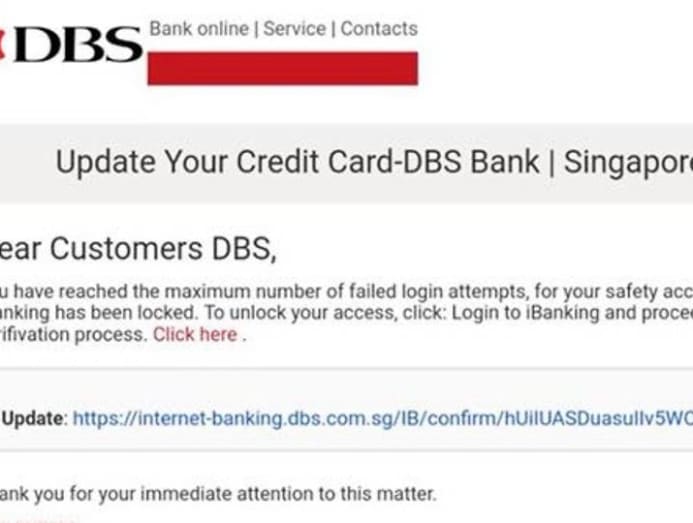
The most common mode attackers target their victim is through sending phishing emails or messages. These are fraudulent attempts past attackers pretending to be someone else in an effort to bait yous to click links and download malicious software on your devices.
If you take not ordered a Boob tube and a delivery man turns up with i, most people volition exist suspicious. Too, if you get an unexpected email address to a generic "honey sir/mdm", the sender'south email address does not wait right and he is request you to click on links, don't click. Don't allow them into your business firm.
HABIT #six: Watch WHERE You lot SURF
When you visit a foreign country, proficient prophylactic habits include staying on the main street, avoiding the alleys and dodgy establishments, and sticking with safe nutrient choices. The same applies when surfing the web.
Only download software from official app stores by Microsoft, Google and Apple tree or legitimate sites. If you are unsure if information technology'southward a legitimate site, Google the topic and legitimate sites will announced top.
Nigh legitimate sites will have HTTPS enabled (dark-green padlock on browser bar) and the site will look professionally-built. If the site looks similar a dodgy establishment, avoid it.
Be suspicious of sites with lots of pop-ups request you to download and "Buy Now". If a website tells you that you are infected with virus, don't believe them.
Plough on condom browsing features on your web browser, which will warn you of fraudulent or unsafe sites.
Addiction #7: KEEP YOUR DIGITAL FOOTPRINT SMALL
Visiting social media platforms leaves backside your digital footprints. Whenever yous share on social media, these digital footprints tell others who you lot are, where you are, how you lot tin exist contacted, whom you know and what you are doing.
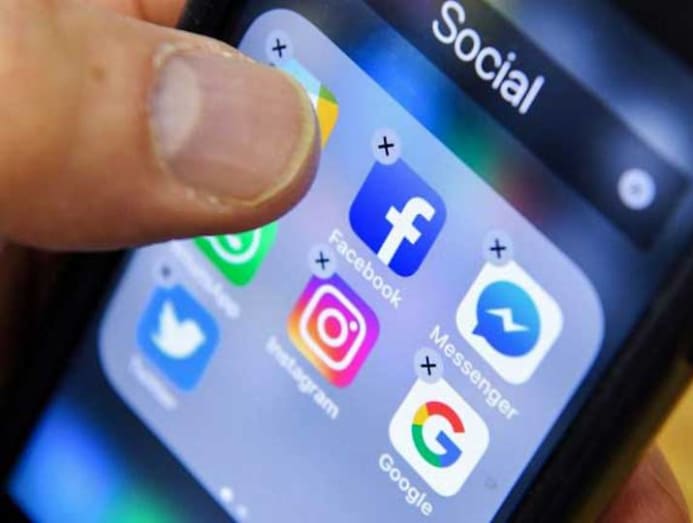
Attackers collect your digital footprint to be more than effective in their attack against you or the people you know. For example, a fraudster may use your children's names, and their known whereabouts to conduct a scam confronting you.
Nowadays, people oftentimes share information on relationships, location information and contact numbers freely on social media sites.
Sympathise the settings on social media sites and make a conscious decision on who tin can see your posts – whether it's your friends, your friends' friends or the public. Keep your digital footprint as pocket-sized every bit possible.
For those that want to stay safe online, get your house in order, safeguard the keys, and be careful of who y'all invite in.
Ng Pan Yong is founder of The Cyber Associates, a cybersecurity startup that provides active learning platforms to help organisations and individuals connect to cyber skills.
geislerforbeartne.blogspot.com
Source: https://cnalifestyle.channelnewsasia.com/commentary/cybersecurity-seven-habits-of-highly-secure-digital-natives-219316
0 Response to "Commentary: Seven habits of highly secure digital natives"
Post a Comment